












Discover how to naturally reduce your cortisol levels through physiological solutions: diet, reflexology, phytotherapy, lifestyle, and stress management.
Cortisol is often called the “stress hormone,” but its role is far more complex. Essential for survival, it allows the body to adapt to a stressful situation by quickly mobilizing energy.
Therefore, the problem is not cortisol itself, but its chronic excess. Continuously high cortisol can disrupt sleep, promote weight gain, dysregulate blood sugar, and profoundly impact the nervous and digestive systems.
Learning to regulate cortisol is thus essential for restoring overall balance.
Cortisol: a key hormone, but often imbalanced
Cortisol is produced by the adrenal glands in response to an activation of the nervous system, via the hypothalamic-pituitary-adrenal axis (HPA axis).
In a stressful situation, the brain sends a signal that triggers the release of cortisol to:
- increase blood sugar to provide energy quickly
- stimulate alertness
- mobilize energy reserves
- temporarily inhibit certain non-essential functions (digestion, reproduction)
This mechanism is perfectly adapted to acute stress.
However, in our current lifestyle (chronic stress, mental overload, lack of recovery), this system remains constantly activated.
Result:
- persistent fatigue
- sleep disorders
- cravings (especially for sweets)
- abdominal weight gain
- digestive problems
Why does cortisol remain high?
Several daily factors maintain high cortisol:
- chronic stress (professional, emotional)
- lack of sleep
- hyperstimulation (screens, notifications)
- unbalanced diet
- lack of physical activity or excessive intense exercise
- disruption of the circadian rhythm
The body then loses its ability to return to a state of calm, which creates a vicious cycle.
How to naturally lower cortisol?
Relaxing wellness treatments
Reflexology acts directly on the autonomic nervous system, promoting the transition from "stress" mode (sympathetic system) to "recovery" mode (parasympathetic system).
Stimulation of certain reflex zones, particularly in the foot, sends a calming signal to the brain. This leads to:
- a decrease in sympathetic nervous system activity
- regulation of the hypothalamic-pituitary-adrenal axis
- a gradual decrease in cortisol secretion
It also helps to stimulate circulation, support excretory organs, and promote a state of deep relaxation.
Phytotherapy: supporting stress adaptation
Certain "adaptogenic" plants help the body better manage stress and regulate cortisol:
-
rhodiola: improves mental stress resistance
-
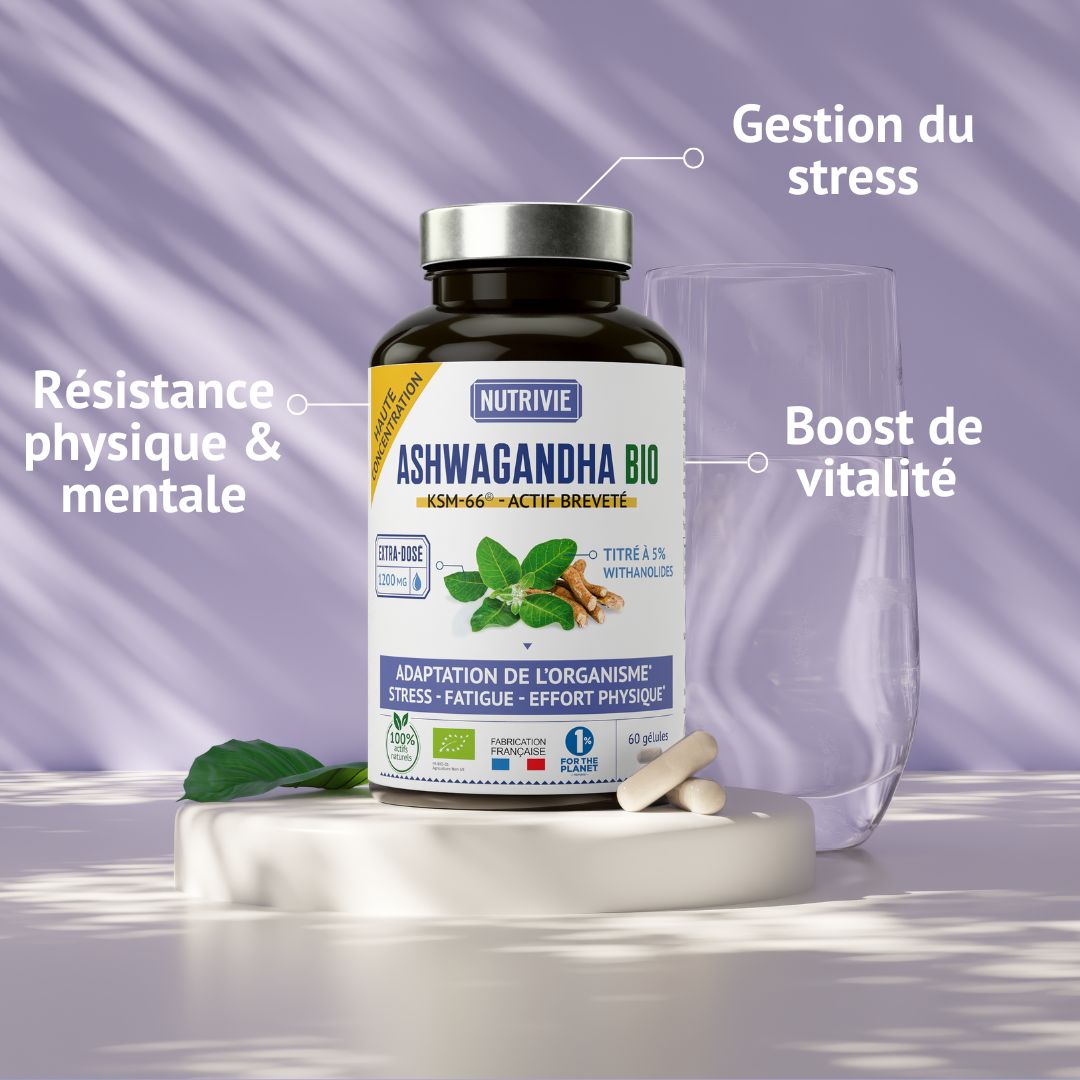
ashwagandha: regulates cortisol and promotes sleep
-
lemon balm, passionflower: calming for the nervous system
- lime blossom: relaxing and mild sedative
These plants act by modulating the nervous and hormonal system's response, without blocking natural mechanisms. They specifically support the hypothalamic-pituitary-adrenal axis (HPA axis), involved in stress management, and improve the body's ability to adapt to daily constraints.
Adaptogenic plants also have the particularity of having a regulatory action: they do not only act to reduce stress, but to help the body regain overall balance. They can thus be used both in cases of stress-related fatigue and in cases of nervous hyperactivity.
Some, like ashwagandha, have shown an ability to lower circulating cortisol levels, while others, like rhodiola, act more on mental stress resistance and cognitive fatigue.
By supporting the nervous system, improving sleep quality, and limiting the impact of chronic stress, these plants indirectly contribute to better regulation of appetite, blood sugar, and emotions.
Diet: stabilizing blood sugar to calm stress
Unstable blood sugar is a major factor in increasing cortisol.
When blood sugar levels decrease, the body perceives this situation as metabolic stress. The brain, and particularly the hypothalamus, then activates a hormonal response to quickly restore a sufficient glucose level, essential for the nervous system's function.
In this context, the body releases cortisol, as well as glucagon and adrenaline, to mobilize energy reserves (especially hepatic glycogen) and increase blood sugar.
This mechanism is physiological and useful temporarily. However, when it repeats several times a day, especially with an unbalanced diet or frequent snacking, it maintains a state of chronic stress.
Rapid fluctuations in blood sugar (peaks then drops) are particularly detrimental. After consuming fast sugars, blood sugar rises sharply, leading to a significant secretion of insulin. This response can cause a rapid drop in blood glucose (reactive hypoglycemia), restarting cortisol production again.
This vicious cycle can promote:
- cravings, especially for sweets
- persistent fatigue
- concentration problems
- weight gain (especially abdominal)
- appetite dysregulation
In the long term, these imbalances can also impair insulin sensitivity and disrupt hormonal hunger and satiety signals, particularly those involving GLP-1.
To limit this phenomenon:
- prioritize meals rich in protein and fiber
- avoid fast sugars and frequent snacking
- incorporate good fats (omega-3)
- maintain regular meal times
It is also important to create complete meals, combining proteins, fibers, and lipids, to slow down glucose absorption and maintain stable energy over time.
Allowing breaks between meals also allows the digestive system to function properly and avoids repeated stimulation of insulin and cortisol.
Stable blood sugar allows the body to exit "alert" mode permanently, to regulate its hormones more effectively, and to find a more peaceful metabolic and nervous balance.
The evening ritual: essential for lowering cortisol
Cortisol should naturally decrease at the end of the day to make way for melatonin (the sleep hormone).
However, exposure to screens and artificial light disrupts this rhythm.
Establishing an evening ritual signals to the body that it can slow down:
- stop screens (phone, television) at least 1 hour before bedtime
- prefer soft lighting
- read, breathe, meditate, or write
- establish a regular routine
This ritual helps rebalance the circadian rhythm and naturally reduce cortisol.
Physical activity: regulating stress sustainably
Exercise is an excellent cortisol regulator... provided it is appropriate.
Physical activity that we enjoy allows for:
- the release of endorphins (feel-good hormones)
- a reduction in accumulated stress
- improved insulin sensitivity
- better sleep
From a physiological point of view, physical activity directly affects the autonomic nervous system by promoting a rebalancing between the sympathetic system (activation, stress) and the parasympathetic system (recovery, relaxation).
It also helps better regulate the hypothalamic-pituitary-adrenal axis (HPA axis), involved in cortisol production, by improving the body's ability to adapt to stressful situations.
Furthermore, physical exercise promotes better glucose utilization by muscle cells, which stabilizes blood sugar and limits cortisol spikes linked to reactive hypoglycemia.
Sport also acts as a true “physiological outlet” for stress, allowing for the discharge of accumulated tension and the regulation of neurotransmitters involved in mood, such as serotonin and dopamine.
However, be careful of excess: too intense or too frequent exercise can, on the contrary, increase cortisol, keeping the body in a state of chronic stress. It is therefore essential to prioritize appropriate, regular, and enjoyable activity.
Other essential levers not to be neglected
- breathing (cardiac coherence) to quickly calm the nervous system. Slow and controlled breathing directly affects the vagus nerve, the main actor of the parasympathetic system. It helps to decrease heart rate, reduce sympathetic nervous system activation, and quickly lower cortisol. Cardiac coherence (around 6 breaths per minute) promotes a state of physiological calm in a few minutes.
- contact with nature (direct effect on the parasympathetic system). Exposure to a natural environment decreases the activity of the sympathetic nervous system and promotes relaxation. It also helps to reduce cortisol levels, improve heart rate variability, and promote mental and emotional recovery.
- social connection and positive emotions. Positive social interactions stimulate the production of oxytocin, a hormone that counteracts the effects of cortisol. They contribute to stress regulation, improve mood, and strengthen the feeling of inner security.
- respecting breaks during the day. Alternating phases of activity and recovery prevents prolonged overactivation of the nervous system. These breaks promote cortisol regulation and allow the body to return to a state of balance.
- limiting mental overload. Excessive cognitive stimulation keeps the brain in a constant state of alert, which maintains cortisol secretion. Learning to slow down, prioritize, and declutter the mind is essential to allow the nervous system to regulate itself.
Regaining lasting balance
Lowering cortisol doesn't involve a single solution, but a holistic approach.
It is the combination of daily habits that gradually rebalances the nervous, hormonal, and metabolic systems.
By acting on both the body and the mind, it is possible to move out of "survival" mode and return to a more peaceful, stable, and physiological functioning.
In this context, Nutrivie has developed an anti-stress and anti-fatigue pack combining several complementary active ingredients to act at different levels:
- saffron supergummies, known for their action on mood and emotional regulation
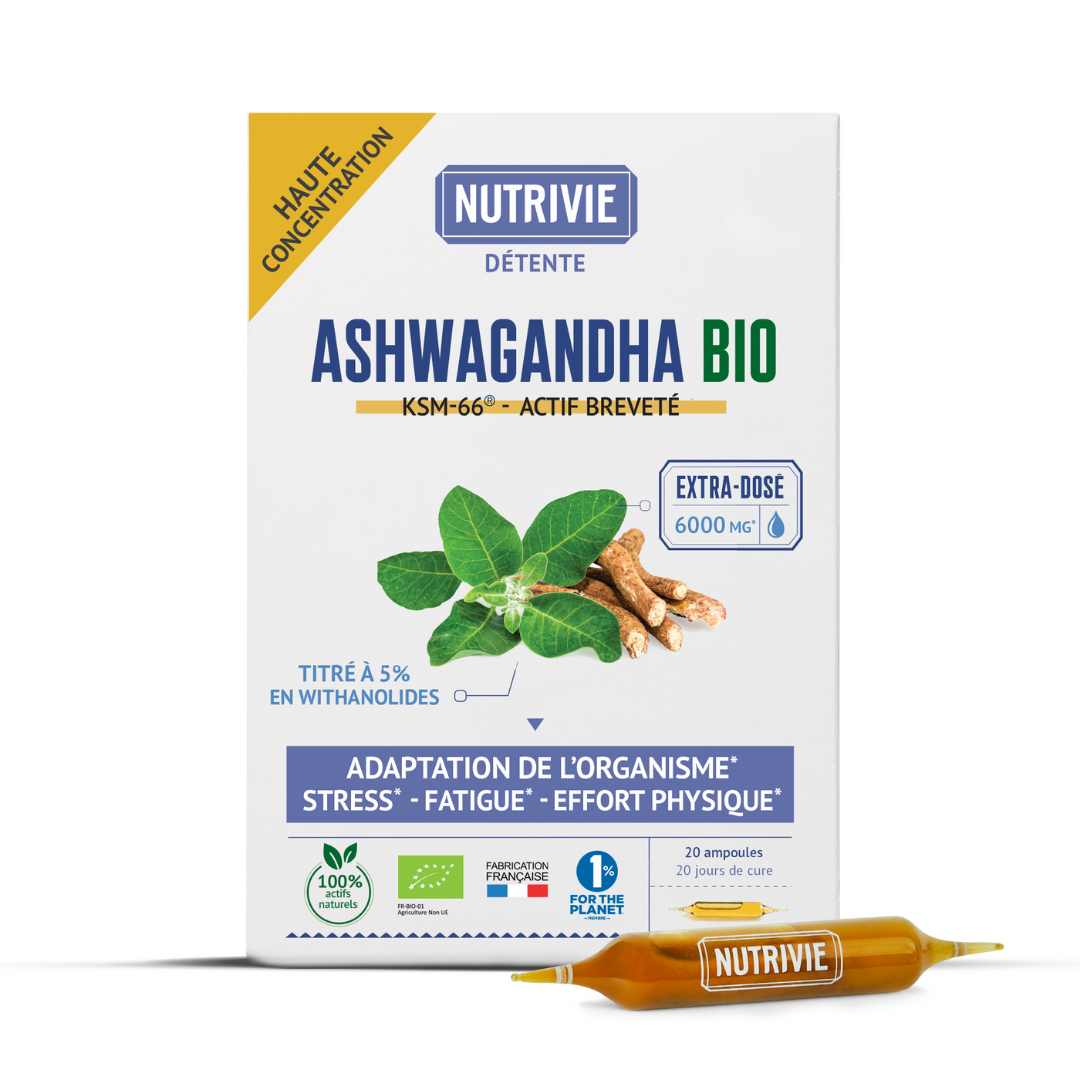
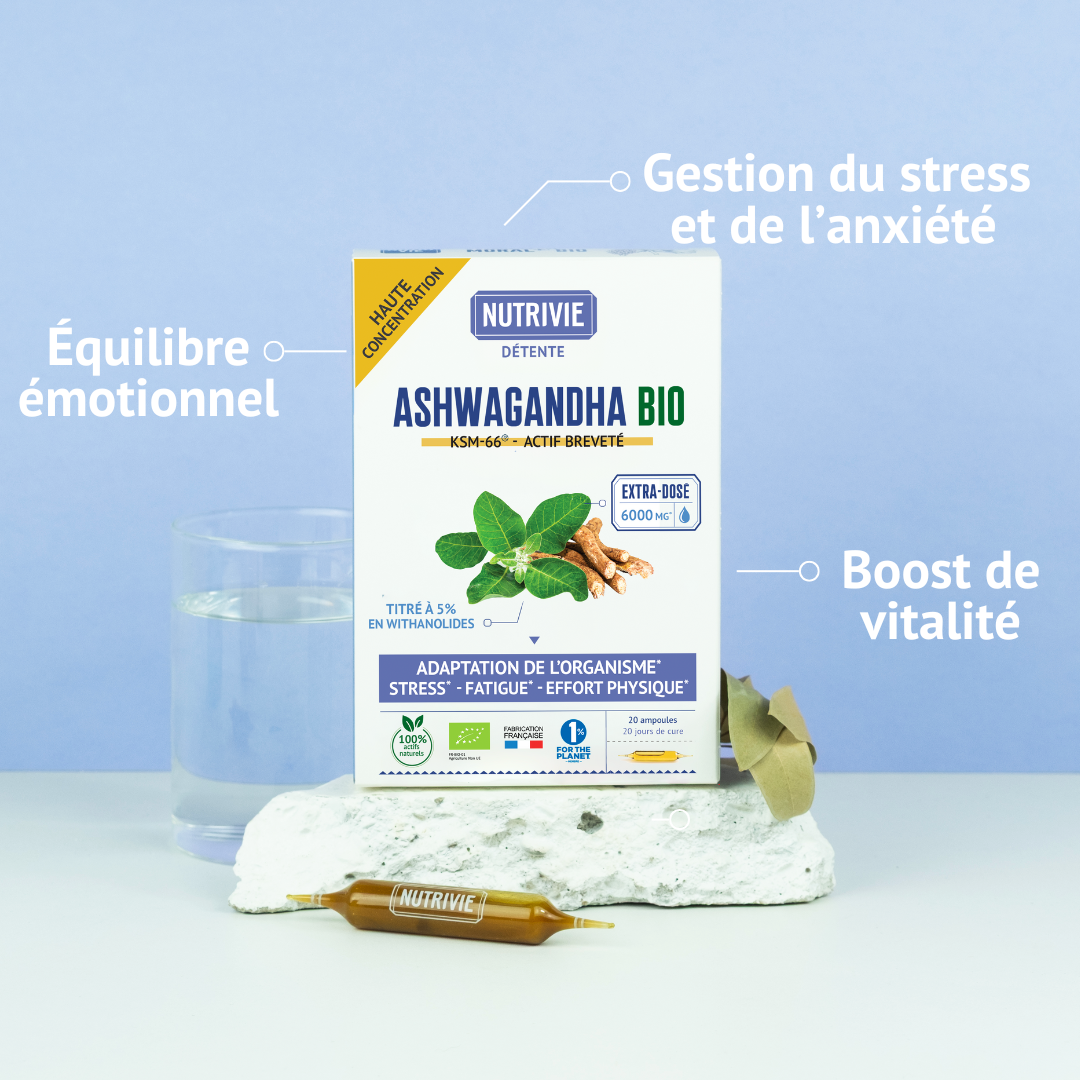
- organic ashwagandha ampoules, an adaptogenic plant that helps regulate cortisol and improve stress resistance
- highly absorbable magnesium bisglycinate, essential for the proper functioning of the nervous system and the reduction of fatigue
In addition, for occasional use, the SOS Stress spray can be used. It is practical and fast-acting, providing immediate relief from stress spikes and limiting their impact on the body.
This combined approach helps support the nervous system, better manage daily stress, and gradually regain lasting balance.