









The body naturally adapts to the seasons . After winter , a period during which it mobilizes its energy to maintain body heat and support immunity, spring marks a phase of physiological transition.
Increased sunlight , a gradual resumption of physical activity , and a natural shift in diet all contribute to restarting metabolic functions . It is within this context that supporting the body's natural elimination mechanisms can be approached in a coherent and respectful manner.
A detox is not about "cleaning" the body, but about supporting already existing physiological processes , respecting the physiology of the organism.
Spring: a key period for the body
Spring corresponds to a phase of natural adaptation : the body gradually moves out of the energy-saving mode characteristic of winter to enter a more active metabolic dynamic .
The increase in daylight hours influences circadian rhythms , hormone secretion , and metabolism . This seasonal transition is often accompanied by a need for lighter digestion and a boost of energy .
This dynamic also echoes traditional approaches (such as traditional Chinese medicine) which describe spring as a phase of activating internal functions and transformation.
Detox: What is a metabolic detox treatment?
The term " detox " is widely used, but it should not be understood as a magical cleansing operation.
Detoxification is a continuous physiological process .
Metabolism refers to all the chemical and biological transformations that take place in the body. More specifically, it encompasses the cellular chemical reactions that produce energy , manufacture proteins , ensure cell renewal , and maintain vital functions .
These reactions naturally generate cellular waste (urea, uric acid , carbon dioxide , intermediate metabolites).
At the same time, our modern environment exposes the body to exogenous substances : environmental pollutants, endocrine disruptors, drug residues or industrial contaminants.
These include certain persistent pollutants such as PFAS (per- and polyfluoroalkyl substances), sometimes referred to as " eternal pollutants " because of their persistence and accumulation capacity.
The body's role is to transform these substances in order to make them eliminateable .
This mechanism relies on a synergy between several so-called excretory organs:
- The liver performs a two-stage transformation process , aiming to make fat-soluble substances more water-soluble , in order to facilitate their excretion through urine or feces .
- The kidneys eliminate water-soluble waste through urine.
- The intestine participates in elimination via feces.
- The lungs eliminate volatile waste through respiration .
- The skin participates in elimination mechanisms through perspiration , which allows the excretion of certain water-soluble metabolic wastes .
A detox treatment does not replace these functions: it aims to support them.
How to successfully complete a spring detox?
The success of a detox program relies on a progressive and holistic approach . It is based on daily adjustments focused on diet, hydration, herbal support, and micronutrient balance.
What diet should I prioritize for a successful detox?
Nutrition is the essential foundation of any support approach. It is recommended:
- Increase the proportion of green and seasonal vegetables (spinach, broccoli, arugula, artichoke, asparagus)
- To provide sufficient dietary fiber (vegetables, legumes, flax seeds, chia seeds, rye bread) in order to support intestinal transit and the elimination of metabolic waste via stools.
- Maintaining an adequate intake of quality protein (eggs, fish, poultry, tofu) is important. For vegetarians, it's crucial to properly combine legumes and grains to ensure a balanced intake of essential amino acids . A recommended ratio is approximately 2/3 legumes to 1/3 grains (for example, lentils and brown rice, chickpeas and quinoa, kidney beans and corn).
- To favour good quality fats , ensuring a balance between omega-6 and omega-3.
The ideal ratio between omega-6 and omega-3 fatty acids is around 4:1 or even 5:1, whereas the current Western diet often exceeds 15:1 to 20:1, promoting a pro-inflammatory environment. It is therefore recommended to:
- Increase sources of omega-3 ( rapeseed oil, flaxseed oil, camelina oil, walnuts, chia seeds, ground flaxseeds, oily fish such as sardines, mackerel, herring).
- Maintain moderate intake of omega-6 , naturally present in sunflower, corn or grapeseed oils, without excess.
- Use olive oil, rich in omega-9 and polyphenols, for its antioxidant properties and its stability in both cold and gentle cooking.
It is also relevant to:
- Limit ultra-processed foods
- Reduce refined sugars and hidden sugars
-
Avoid excessive consumption of bad fats (especially trans fats and repeated frying)
Hydration is essential to promote the elimination of water-soluble waste by the kidneys. On average, an intake of 1.5 to 2 liters of water per day is recommended, adjusted according to weight, physical activity, and outside temperature.
Plants: naturally supporting the body's elimination processes
Certain plants can support elimination functions in a respectful way:
- Burdock , traditionally used to support liver and skin function
- Birch sap , known for its draining action
- Milk thistle , known to support liver function
- Marshmallow , prized for its soothing digestive properties
- Chlorella and Spirulina , rich in micronutrients, support overall vitality.
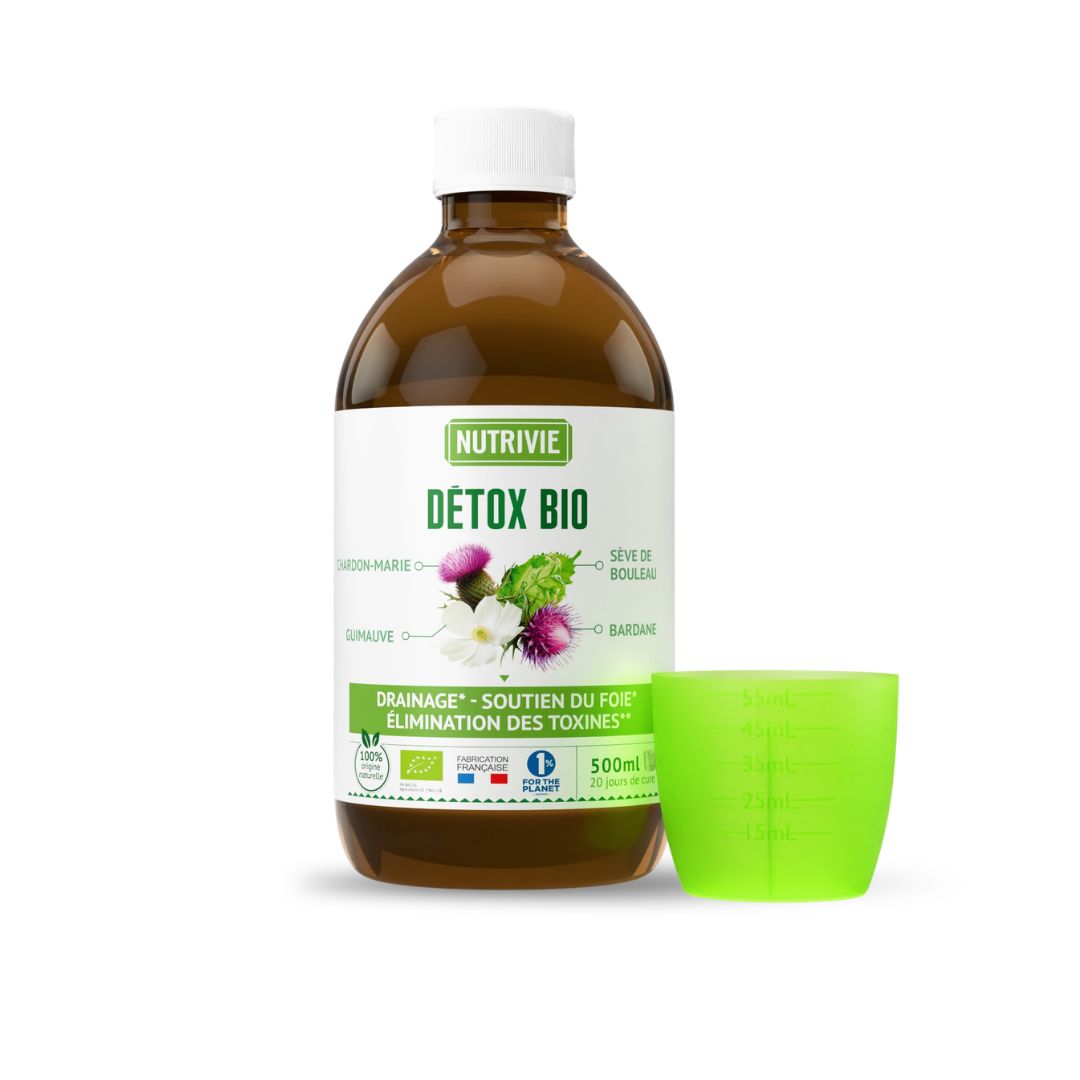
It is in this logic that the Detox Bio 500 ml formula from Nutrivie is part of, combining a high concentration of Birch Sap (1486 mg per dose) with Burdock , Milk Thistle, Marshmallow, as well as Chlorella and Spirulina, in a synergy that respects the emunctories and physiological balance.
Detox and micronutrients: a key point
During a drainage phase, the activation of elimination mechanisms may be accompanied by an increased mobilization of vitamins and minerals .
An adequate intake of magnesium , B vitamins , vitamin C and trace elements can support these mechanisms and prevent fatigue related to seasonal transition.
Supporting the body's elimination pathways does not only mean stimulating elimination, but also ensuring that the micronutritional balance necessary for proper cellular function is maintained.
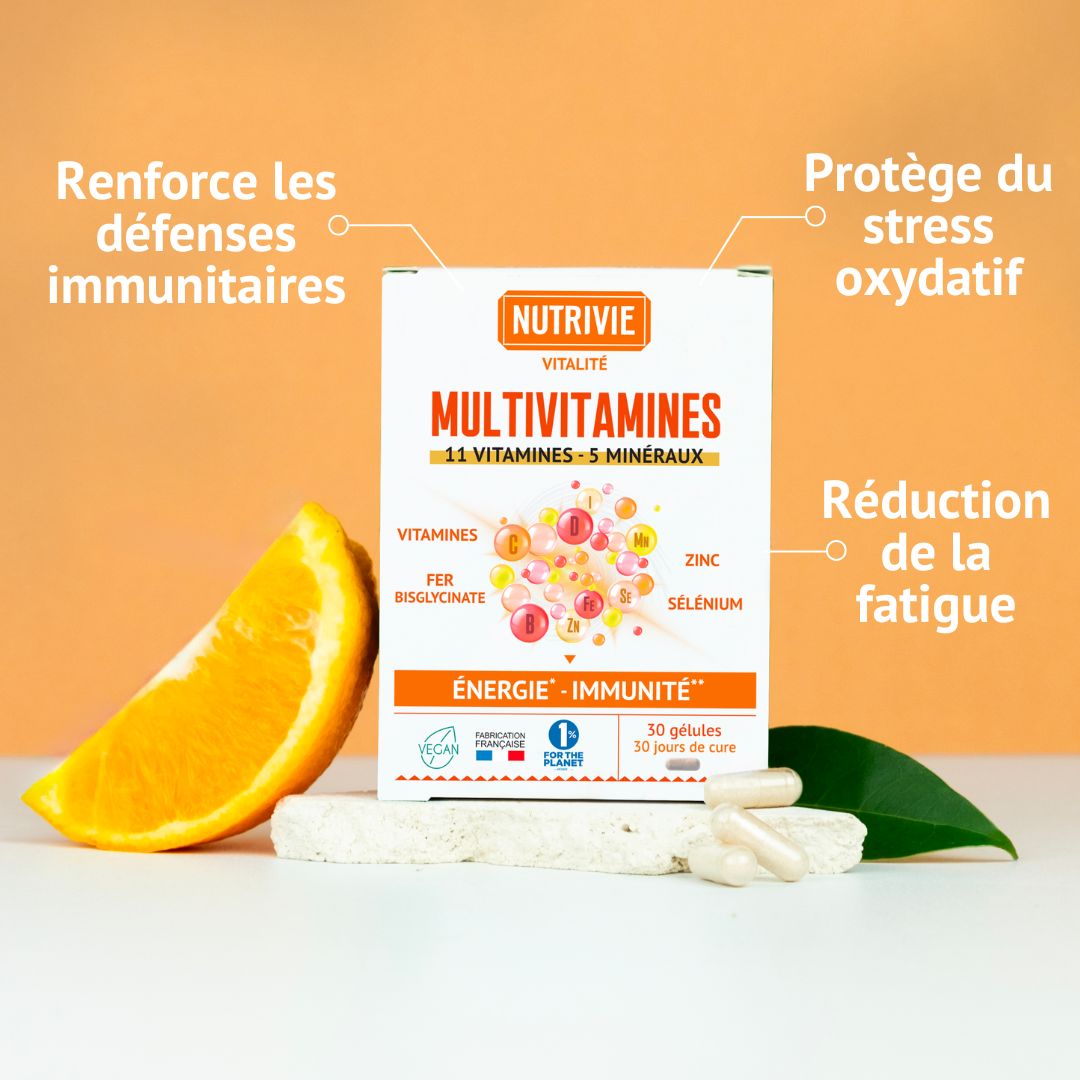
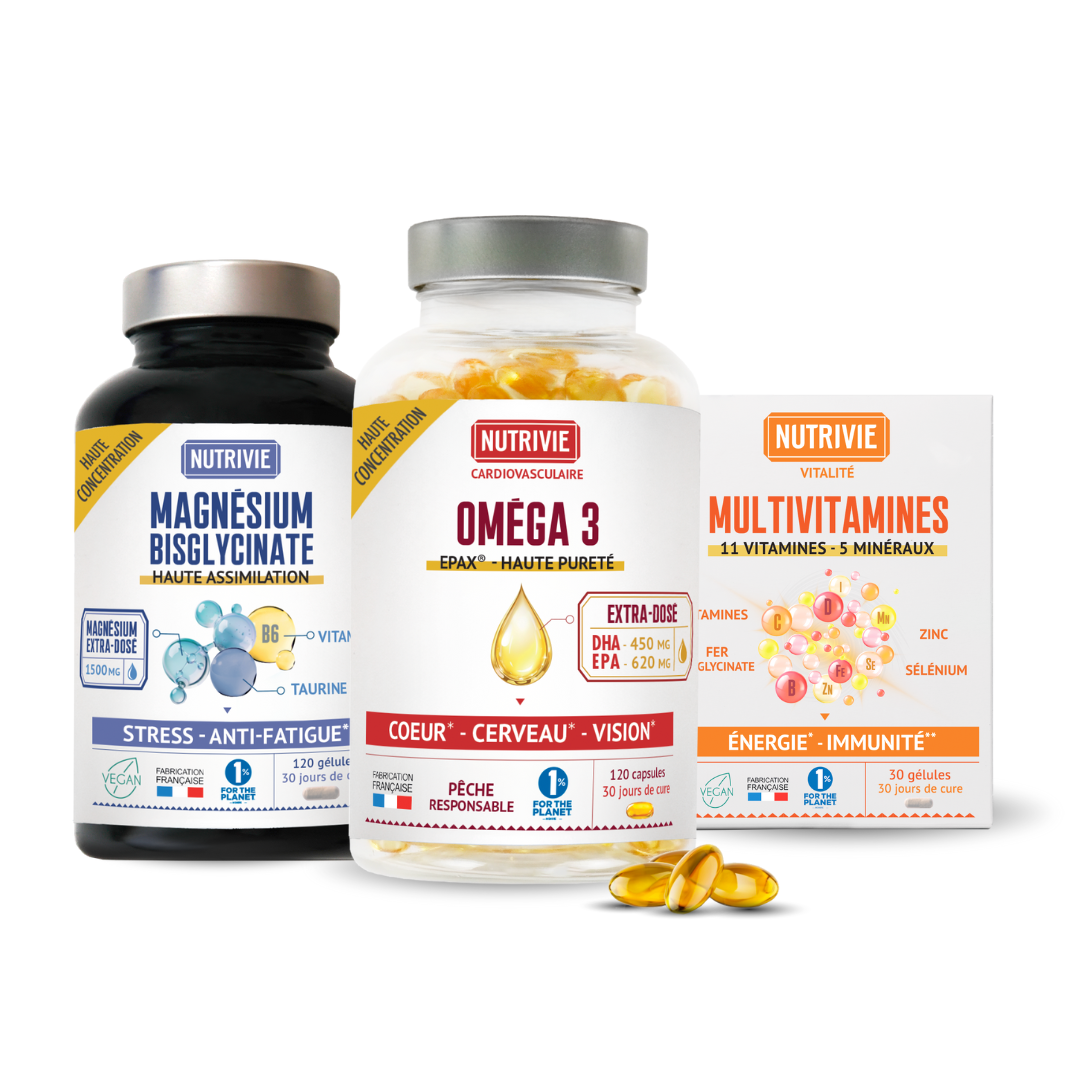
A course of Multivitamins or Hypertonic Water or Quinton Water is therefore recommended to accompany your Detox treatment.
Who is a spring detox cleanse for?
A spring detox cure can be suitable for people experiencing seasonal fatigue at the end of winter , a feeling of digestive heaviness or wishing to support a change in their eating habits towards more lightness.
It can also affect people who have had a more sedentary lifestyle during the cold season.
A detox is not compatible with pregnancy or breastfeeding. Certain medical conditions require prior medical advice.
Key takeaway: a successful detox is a respectful detox
A successful detox relies neither on a miracle solution nor on extreme practices.
It is part of a progressive approach, respectful of the physiological functioning of the body , paying particular attention to the quality of intake , hydration , lifestyle and overall balance .
The goal is not to force the elimination mechanisms, but to support them in a consistent and measured way .
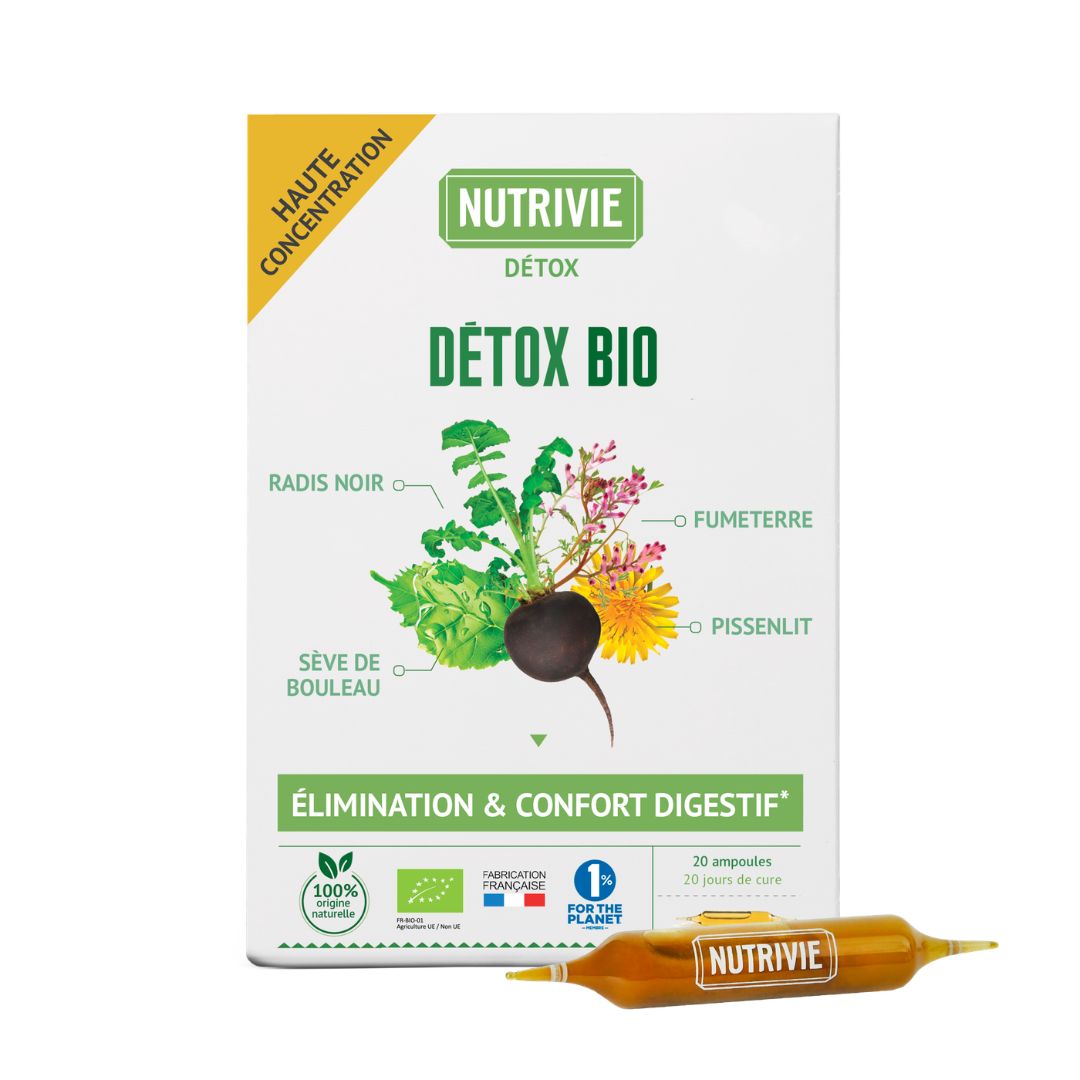
Nutrivie is part of this vision, offering solutions adapted to seasonal transitions, such as Organic Detox 500 ml , Organic Hepatitis, but also Hypertonic Water enriched with trace elements, or even a Vitamins and Minerals complex , in order to support the natural functions of the body while respecting its physiology.
Melody RENOM
Naturopath and founder of theMagnolia Holistic Formations school