











Real hunger or just a craving? Learn to recognize your body's signals, understand the role of hormones like GLP-1, and find a peaceful relationship with food.
Why we often confuse hunger and cravings
In our daily lives, it's common to eat without actually being hungry. Between stress, emotions, habits, and our food environment, our relationship with food sometimes becomes disconnected from true physiological needs.
Hunger is an essential biological signal, regulated by precise mechanisms in the body. However, this signal can be disrupted, confused, or even replaced by food cravings that don't respond to a real energy need.
Learning to differentiate between these two sensations is a key step to regaining a lasting and body-respecting dietary balance.
Hunger: a real physiological signal
Hunger corresponds to the body's energy need. It appears gradually and
is accompanied by clear physical signs:
- empty stomach sensation
- low energy
- difficulty concentrating
- sometimes irritability
Contrary to popular belief, the feeling of hunger is not only linked to an empty stomach. It largely depends on the availability of glucose in the blood (blood sugar), which is the brain's main source of energy.
When blood sugar decreases, metabolic sensors send a signal to the brain, particularly to the hypothalamus, triggering the sensation of hunger. The body then seeks to restore a sufficient energy supply.
From a physiological point of view, several hormones are involved in the regulation of hunger, including ghrelin, which stimulates appetite, and satiety hormones like GLP-1.
GLP-1 (Glucagon-Like Peptide-1) is an intestinal hormone that sends the signal to the brain: "I've eaten enough." It also participates in blood sugar regulation and more progressive digestion.
When these mechanisms work correctly, the body naturally knows when to eat and when to stop.
Cravings: an emotional or environmental response
Conversely, cravings are not linked to a physiological need. They often appear suddenly and specifically, with an attraction to a particular food, often sweet or fatty.
From a physiological point of view, these cravings are often linked to an interaction between the nervous system, hormones, and the brain's reward circuits (dopamine). Unlike hunger, which responds to an energy need, cravings are frequently triggered by a search for pleasure or emotional regulation.
They can be triggered by various factors:
- stress or fatigue
- emotions (boredom, sadness, frustration)
- ingrained eating habits • external stimuli (smells, advertising, social context)
Stress plays a central role via cortisol, a hormone that increases the craving for sugary and fatty foods, as they provide a quick energy response and stimulate reward circuits.
Furthermore, female hormonal variations strongly influence these mechanisms.
During the menstrual cycle, especially in the luteal phase (before menstruation), insulin sensitivity
decreases slightly, and energy needs increase. This can result in:
- increased appetite
- sugar cravings
- a search for food comfort
This phase is also marked by a relative decrease in serotonin, a neurotransmitter involved in mood regulation, which can reinforce sugar cravings to compensate.
In perimenopause and menopause, the decrease in estrogen disrupts several axes:
- blood sugar regulation
- insulin sensitivity
- satiety signals (including GLP-1)
This can lead to:
- more frequent cravings
- a poorer perception of satiety
- an increase in sweet or compulsive cravings
Estrogens have a regulatory effect on appetite and metabolism, and their decrease promotes a progressive deregulation of food signals.
Unlike hunger, cravings do not necessarily disappear after a balanced meal and can lead to repeated food intake.
How to tell the difference in daily life?
Reconnecting with your bodily sensations is essential to distinguish between hunger and cravings.
- Hunger appears gradually, cravings are sudden
- Hunger accepts all foods, cravings are specific
- Hunger disappears after eating, cravings can persist
- Hunger is physical, cravings are often emotional
Taking the time to observe yourself before eating already helps to make a first distinction. Asking yourself "Am I really hungry?" can avoid many automatic behaviors.
The role of lifestyle in appetite regulation
An imbalanced lifestyle can disrupt hunger and satiety signals:
- lack of sleep
- unbalanced diet
- frequent snacking
- chronic stress
These factors can alter the functioning of hormones involved in appetite regulation, particularly GLP-1, and promote a deregulated feeling of hunger.
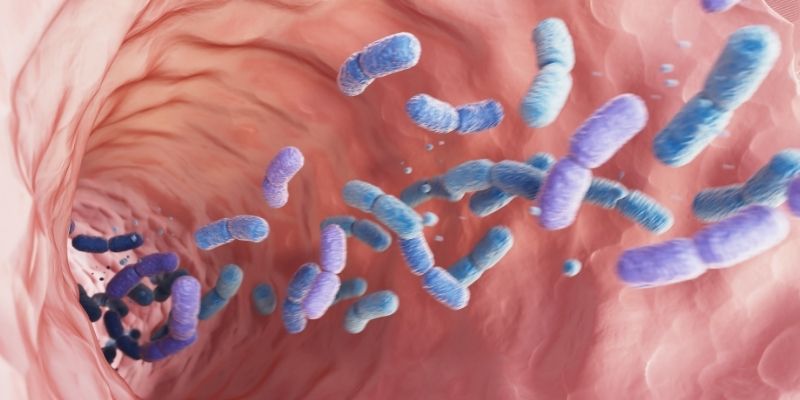
Furthermore, the autonomic nervous system plays an essential role in digestion, particularly via a mechanism called the migrating motor complex (MMC). This "digestive broom" is naturally triggered every 90 to 120 minutes during fasting periods between meals. It cleanses the intestine by evacuating food residues, bacteria, and debris.
However, frequent snacking interrupts this mechanism. With each food intake, even minimal, this cycle is stopped, preventing the digestive system from cleaning itself properly. This can lead to:
- less efficient digestion
- bloating
- disruption of the microbiota
- alteration of hunger and satiety signals
Conversely, spacing out meals respects this physiological rhythm and supports proper digestive and metabolic function.
A diet rich in fiber, protein, and a healthy lifestyle contribute to stabilizing these signals and regaining a more natural feeling of satiety.
Rediscovering a peaceful relationship with food
Learning to listen to your body again does not mean restricting yourself, but rather returning to a more intuitive and physiological way of eating.
- eating mindfully
- respecting your hunger and satiety sensations
- avoiding overly strict restrictions
- understanding your emotional triggers
- taking time to eat slowly to allow satiety signals time to arrive
- structuring your meals (avoiding snacking) to respect physiological digestive rhythms
- prioritizing meals rich in protein and fiber to stabilize blood sugar
- staying well hydrated (dehydration can sometimes be confused with hunger)
- improving sleep quality, essential for regulating appetite hormones
- incorporating regular physical activity to improve insulin sensitivity and appetite regulation
Over time, these adjustments help to reduce impulsive food cravings and regain a calmer relationship with food.
What if the problem isn't your willpower?
If you feel like you're always hungry or never feel full, it's important to understand that it's not just a matter of willpower.
In some cases, hormonal mechanisms, particularly those involving GLP-1, may be less effective. The body then sends the satiety signal less effectively, which can promote excessive food intake.
Stress also plays a major role in this deregulation. By increasing cortisol, it promotes sugar cravings, snacking, and disrupts satiety signals. In these situations, targeted solutions can help rebalance the nervous system. Nutrivie's SOS Stress spray, based on plants like lemon balm, linden, lavender, and fig, can be used occasionally to quickly soothe tension and limit emotional eating.
Furthermore, the balance of the intestinal microbiota plays a key role in regulating appetite and the gut-brain axis. Nutrivie's Nutribiotic Stress, combining specific probiotics and soothing active ingredients, supports this balance and acts deeply on stress management and food compulsions.
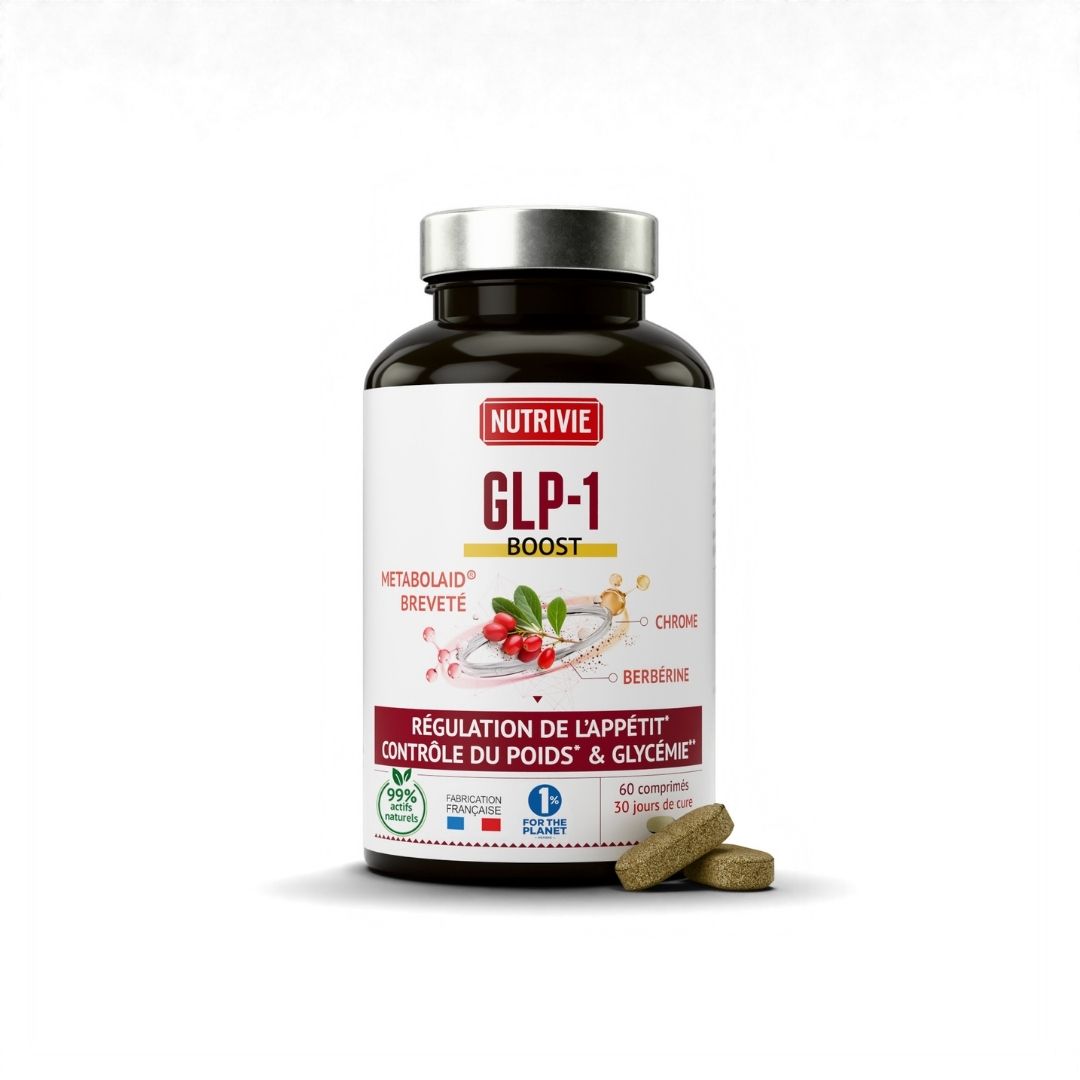
It is in this context that a comprehensive and targeted approach can be beneficial. Certain natural solutions, such as Nutrivie's GLP-1 Boost, have been developed to support these physiological mechanisms of appetite regulation, helping the body to regain its natural satiety signals.