










What if losing weight wasn't just a matter of willpower?
Many people have experienced this feeling: eating a balanced diet, being mindful of portion sizes... yet still feeling hungry, craving snacks, or struggling to stop eating.
This reality isn't simply due to a lack of discipline. It's largely explained by complex hormonal mechanisms that constantly regulate our appetite, satiety, and metabolism.
Among these mechanisms, one hormone plays a central role: GLP-1 (Glucagon-Like Peptide-1).
This hormone acts as a true messenger between the gut and the brain, signaling that energy needs have been met.
Understanding how it works allows us to move away from a restrictive view of food and adopt a more physiological, sustainable, and body-respecting approach.
GLP-1: A Key Satiety Hormone
GLP-1 is a hormone naturally produced by the body, primarily by intestinal cells located in the ileum and colon.
Its secretion is triggered after a meal, when nutrients (especially carbohydrates, fats, and proteins) arrive in the digestive tract.
Contrary to popular belief, satiety doesn't depend solely on food volume, but on the body's ability to interpret and transmit internal signals.
GLP-1 is one of these essential signals.
Its main role is to send a clear message to the brain:
"you've had enough, you can stop eating"
This communication occurs via the gut-brain axis, a fine and complex regulatory system involving the nervous and hormonal systems.
When this system functions correctly, it allows for natural and intuitive regulation of eating, without special effort.
How does GLP-1 act in the body?
GLP-1 is not limited to a simple satiety signal. It acts globally, in coordination with several body systems.
It notably intervenes at the level of the brain, the pancreas, and the digestive system, allowing for fine regulation of appetite and energy.
A direct action on the brain
GLP-1 acts on the hypothalamus, a key brain region in the regulation of hunger and satiety.
It stimulates neurons involved in satiety while inhibiting those associated with food intake.
Specifically, this allows for:
- a gradual decrease in the sensation of hunger
- an increase in the sensation of satiety
- a reduction in spontaneous food intake
This regulation is subtle and progressive, far from mechanisms of frustration or restriction.
It allows the body to regain a form of natural self-regulation, essential for dietary balance.
Blood sugar regulation
GLP-1 also plays a major role in regulating blood glucose, i.e., the sugar level in the blood.
It stimulates insulin secretion when blood glucose increases, while limiting glucagon production, a hormone that raises blood glucose.
This dual action allows for:
- maintaining stable blood glucose
- avoiding sharp peaks and subsequent drops
- limiting cravings and desires for sugar
Stable blood glucose is essential for maintaining constant energy levels and avoiding appetite fluctuations.
An action on digestion
GLP-1 also acts on the digestive system by modulating the rate of digestion.
It slows down gastric emptying physiologically, meaning that nutrients are released more gradually into the intestine.
Contrary to some misconceptions, this mechanism is beneficial:
- it prolongs the feeling of satiety
- it allows for better blood glucose regulation
- it optimizes nutrient absorption
The body then functions more stably, with energy better distributed over time.
Why might GLP-1 function less effectively?
In certain situations, GLP-1 function can be impaired.
This does not mean that the body no longer produces this hormone, but that its secretion, sensitivity, or effectiveness may be reduced.
Several factors of the modern lifestyle can influence this system:
- a diet rich in ultra-processed products, poor in fiber
- imbalanced protein intake
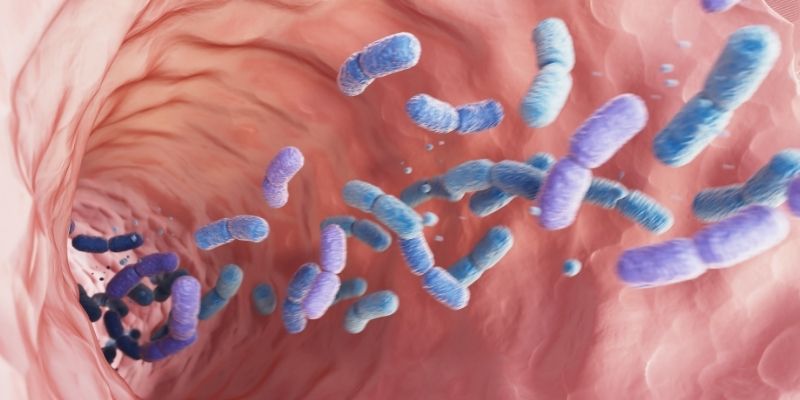
- a disturbed gut microbiota
- chronic stress
- lack of sleep
These factors can alter communication between the gut and the brain.
Result:
- the satiety signal arrives later
- the sensation of hunger is more frequent
- food intake becomes less regulated
The body partially loses its ability to self-regulate.
Naturally reactivating satiety: the GLP-1 metabolic reset protocol
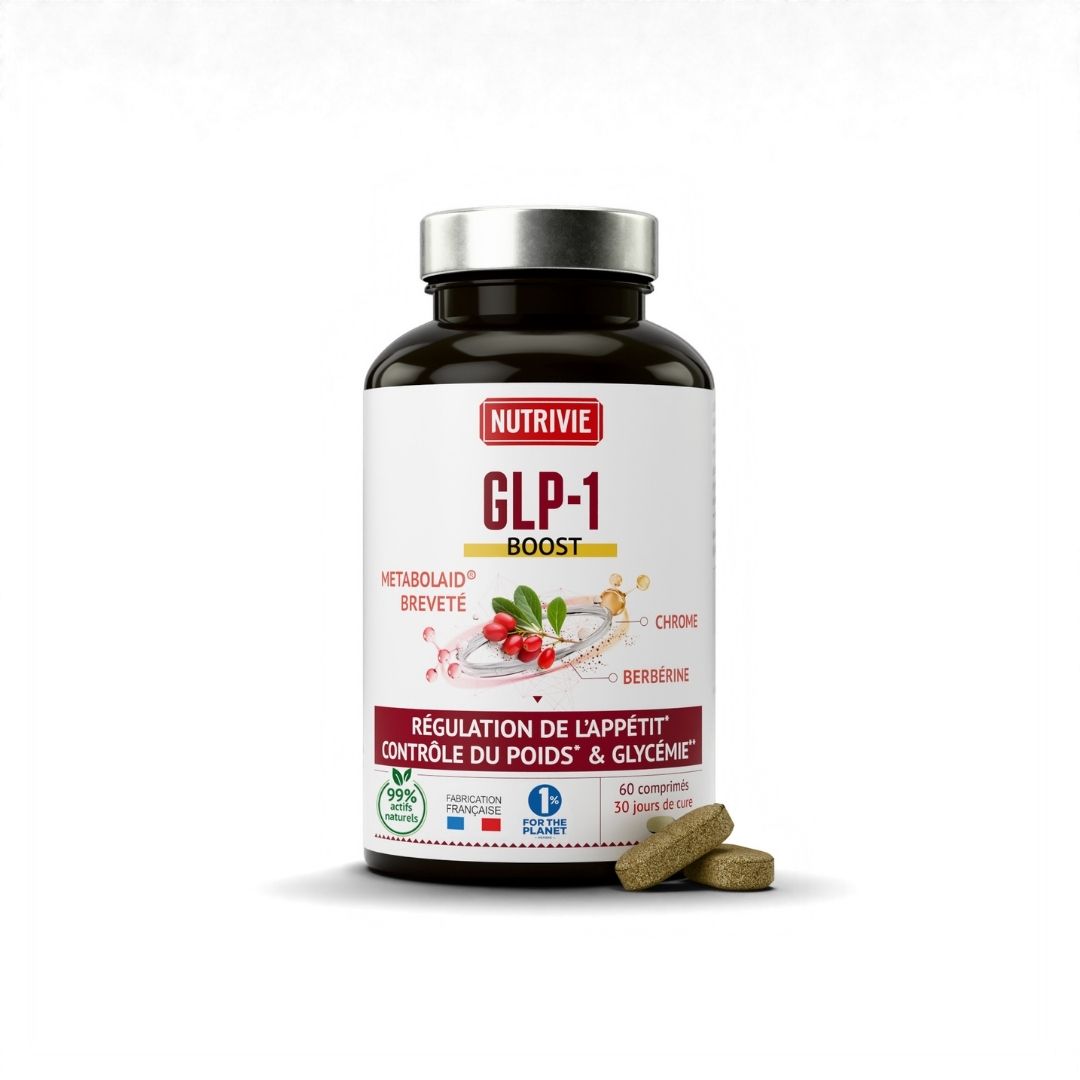
In this approach, Nutrivie's GLP-1 Boost can be an interesting natural solution to support a weight regulation program.
GLP-1 (Glucagon-Like Peptide-1) is a hormone naturally secreted by intestinal cells in response to food intake. It plays a key role in regulating appetite by sending a satiety signal to the brain, and also in blood glucose balance, by limiting blood sugar fluctuations.
The GLP-1 Boost from Nutrivie is based on a formula composed of 99% natural active ingredients, combining:
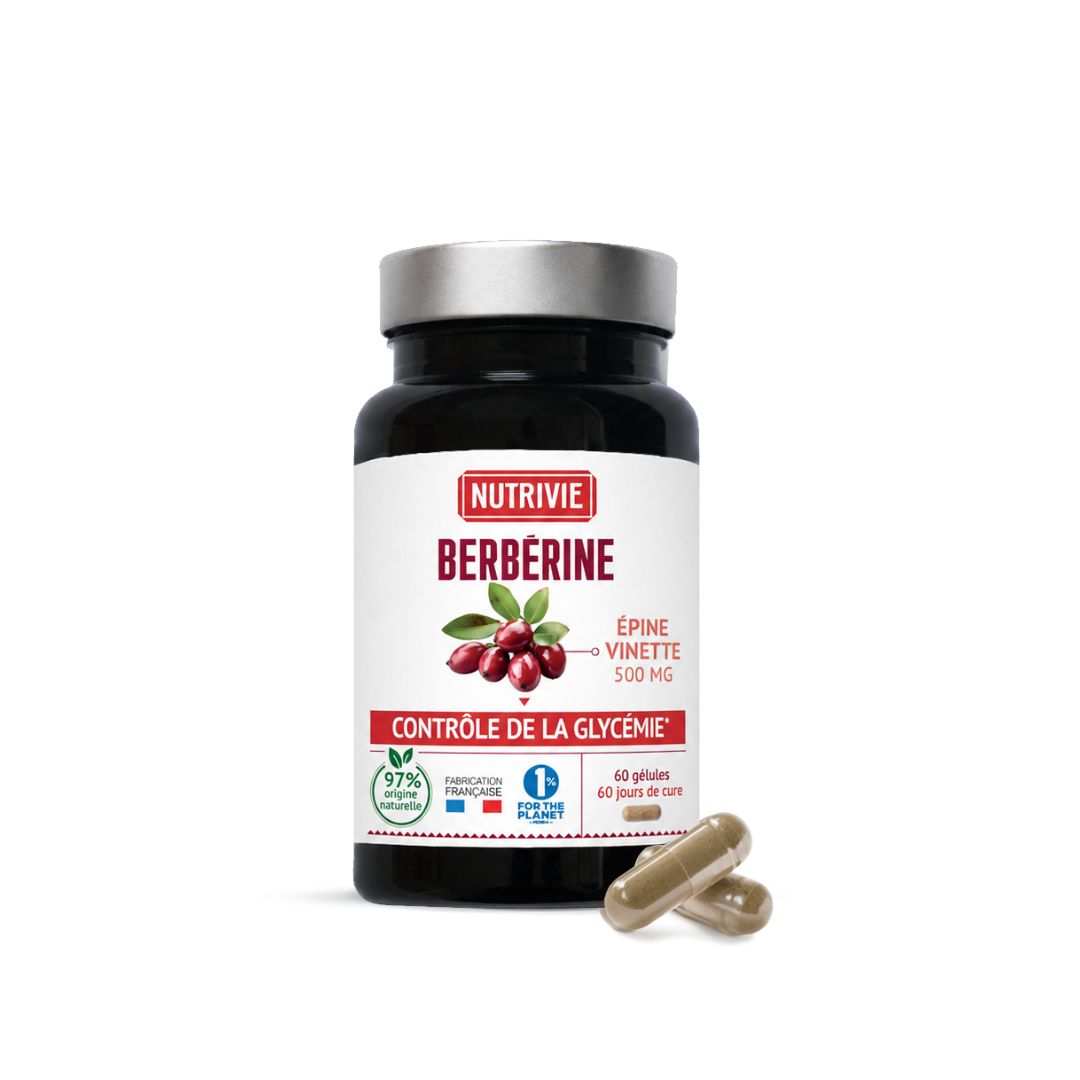
- berberine, known for its action on blood glucose and insulin sensitivity
- chromium, which participates in carbohydrate metabolism regulation
- and the patented active ingredient Metabolaid®, which naturally stimulates the endogenous production of GLP-1
This synergy allows for a global action on the mechanisms involved in weight gain.
Clinical data associated with this active ingredient show:
- an increase in GLP-1 secretion of up to +60% after 2 months
- a decrease in the sensation of hunger of up to -56% within 10 days
Thus, GLP-1 Boost is a new generation approach, acting on three complementary levers:
- satiety, by helping to naturally reduce portion sizes
- blood glucose regulation, by limiting the peaks responsible for cravings and sugar compulsions
- metabolism, by promoting better utilization of sugars and limiting their storage as fat
This approach supports weight loss while respecting the physiological functioning of the body, in a logic of sustainable regulation rather than restriction.
3-step metabolic reset program:
GLP-1 is part of a global balance involving the liver, energy metabolism, and gut microbiota. When these functions are disrupted, satiety signals become less effective, promoting cravings, compulsions, and storage.
To act effectively, it is recommended to follow a progressive, three-step approach:
eliminate – restart – stabilize
Step 1: Cleanse and prepare the ground (Weeks 1 to 3)
Before acting on metabolism, it is essential to support the liver.
An overloaded liver disrupts hormonal regulation, particularly satiety signals, as well as the management of sugars and fats.
Objective: restart elimination functions and improve metabolic response
Protocol:
-
Organic Detox Complex: 1 ampoule per day with a meal (morning or noon)
- Nutrivie GLP-1 Boost : 2 tablets before the main meal of the day
Benefits:
- support elimination organs, especially the liver
- improve glycemic management
- begin to regulate appetite
Step 2: Restart metabolism (weeks 4 to 8)
Once the system is cleansed, the objective is to stimulate metabolism and optimize the use of energy reserves.
Objective: increase energy expenditure and limit storage
Protocol:
-
Nutrivie Burner: 25 ml per day using the measuring cup, preferably in the morning or at noon
- GLP-1 Boost : 2 tablets before the main meal of the day
Benefits:
- support for lipolysis
- better utilization of sugars
- reduction of cravings and portion sizes
Step 3: Stabilize and anchor results (weeks 9 to 12)
Since GLP-1 is produced in the intestine, the balance of the microbiota is essential for maintaining durable appetite regulation.
Objective: stabilize satiety and prevent relapse
Protocol:
-
Nutrivie Nutribiotic: 1 capsule in the morning on an empty stomach
- GLP-1 Boost : 2 tablets before the main meal of the day
Benefits:
- restoration of the microbiota
- improvement of gut-brain signaling
- stabilization of appetite
This three-step approach (eliminate, restart, stabilize) corresponds to a true
metabolic reset, allowing the body to regain more harmonious functioning
and better satiety.
Mélodie RENOM
Naturopath and founder of Magnolia Holistic Formations school