










After 40, many people notice a progressive weight gain, often despite similar diet and unchanged physical activity. The body seems to store more easily, weight loss becomes more difficult and the silhouette changes.
Contrary to popular belief, it is not simply a lack of willpower or effort. These changes are actually linked to a natural evolution of metabolism, influenced by hormonal, muscular and cellular factors.
Understanding these mechanisms allows you to adapt your lifestyle and support your body more effectively.
After 40: A naturally evolving metabolism
Metabolism refers to all the biochemical reactions that allow the body to produce energy (ATP), maintain its vital functions and ensure the overall balance of the organism.
It is a dynamic system, constantly adapting, influenced by many factors such as age, diet, hormones and lifestyle.
With time, and especially after 40, several physiological parameters gradually evolve:
- a decrease in muscle mass (sarcopenia), which leads to a reduction in energy expenditure
- a decrease in basal metabolism, corresponding to the energy expended at rest
- hormonal changes (estrogen, testosterone, insulin), influencing the storage and use of nutrients
- a slower adaptation capacity, making the body less reactive to dietary variations or physical activity
These developments make metabolism naturally more economical. The body expends less energy daily and tends to store more easily, particularly in the form of fat mass, especially in the abdominal area.
This phenomenon is physiological and normal, but it requires adapting one's lifestyle to support metabolism and maintain a lasting balance.
The decrease in muscle mass
Muscle mass plays a central role in energy expenditure. It constitutes active tissue that consumes energy, even at rest.
With age, the progressive loss of muscle mass leads to a decrease in basal metabolism. The body therefore burns fewer calories daily, which promotes storage.
Maintaining muscle mass then becomes an essential lever in weight regulation.
Hormonal changes
After 40, hormonal balances gradually evolve, leading to significant changes in metabolism and body composition. These hormonal variations are physiological, but they directly influence how the body uses, stores, and expends energy.
In women, the progressive decrease in estrogen, particularly as perimenopause approaches, plays a central role. These hormones participate in the regulation of lipid metabolism and fat distribution. Their decrease can lead to:
- an increase in fat storage, particularly in the abdominal area
- a change in body distribution (less storage in the hips, more in the belly)
- a decrease in insulin sensitivity, promoting the storage of glucose as lipid
In men, the progressive decrease in testosterone can also impact metabolism. This hormone plays a key role in maintaining muscle mass and energy expenditure. Its decrease can result in:
- a reduction in muscle mass
- an increase in fat mass
- a decrease in basal metabolism
Furthermore, with age, an alteration in insulin sensitivity is often observed. Insulin is an essential hormone that allows glucose to enter cells to be used as an energy source. When cells respond less well to it (insulin resistance), glucose stays longer in the blood and is more easily stored as fat.
These modifications can lead to:
- an increase in energy storage
- blood sugar variations, promoting cravings
- more pronounced fatigue, linked to less efficient glucose utilization
Finally, other hormones also play a role in this balance, notably cortisol (stress hormone), which, when chronically elevated, can increase fat storage and disrupt appetite regulation.
All of these hormonal adaptations contribute to modifying the overall metabolic balance, making weight management more complex and requiring a more targeted and individualized approach.
Perimenopause: a key period for weight gain
Perimenopause corresponds to the transition phase preceding menopause, which can last several years.
It is characterized by significant hormonal fluctuations, particularly estrogen, which show more marked variations before gradually decreasing.
This hormonal instability can lead to:
- faster weight gain, especially abdominal
- increased cravings
- increased stress sensitivity
- energy and mood swings
This period is often when women realize that "what worked before no longer works."
It therefore requires a specific approach, more adapted to the current hormonal functioning.
The central role of stress in weight gain
Chronic stress is a major, often underestimated, factor in weight gain after 40. It profoundly affects hormonal, metabolic, and behavioral mechanisms, directly influencing weight regulation.
When stress is perceived by the body, it activates the hypothalamic-pituitary-adrenal (HPA) axis, leading to the secretion of cortisol, the main stress hormone. In the short term, this response is adaptive. However, when stress becomes chronic, prolonged elevation of cortisol disrupts metabolic balance over the long term.
Chronic increases in cortisol can lead to:
- stimulation of fat storage, particularly in the abdominal area (visceral fat), which is metabolically more active
- increased appetite, especially for foods rich in sugar and fat
- disruption of hunger and satiety signals, through interaction with leptin and ghrelin. Leptin is a hormone produced by fat cells that tells the brain that energy reserves are sufficient. It therefore contributes to the feeling of fullness and weight regulation. Ghrelin is a hormone produced mainly by the stomach that stimulates hunger. It increases before meals and decreases after eating.
- increased blood sugar, ultimately promoting insulin resistance
- slowing of certain metabolic functions, particularly in connection with thyroid function
Chronic stress also affects the autonomic nervous system, promoting a state of sympathetic dominance ("alert" mode), to the detriment of the parasympathetic system, which is involved in digestion, recovery, and regulation.
Furthermore, stress has a direct impact on the gut-brain axis. It can alter the balance of the gut microbiota, leading to dysbiosis, which is itself associated with:
- low-grade inflammation (chronic, subtle but persistent inflammation that disrupts metabolism).
- altered hunger and satiety signals (via disturbances in leptin, ghrelin, and GLP-1)
- modified energy metabolism
Stress also influences sleep quality, which further amplifies hormonal imbalances, particularly in leptin, ghrelin, and insulin.
Thus, poor stress management can create a real vicious cycle, combining fatigue, appetite dysregulation, decreased energy expenditure, and progressive weight gain.
Taking stress into account in a weight management approach is therefore essential, just like diet or physical activity.
Digestion and microbiota: an often underestimated impact
The digestive system plays a central role in weight regulation, far beyond simply digesting food. With age, its function can evolve in more subtle but significant ways.
The production of digestive enzymes can decrease, digestion can become slower, and certain discomforts may appear (bloating, heaviness, difficult digestion).
As a result, nutrients are sometimes less well utilized, and the signals sent to the brain regarding satiety or energy needs may be less precise.
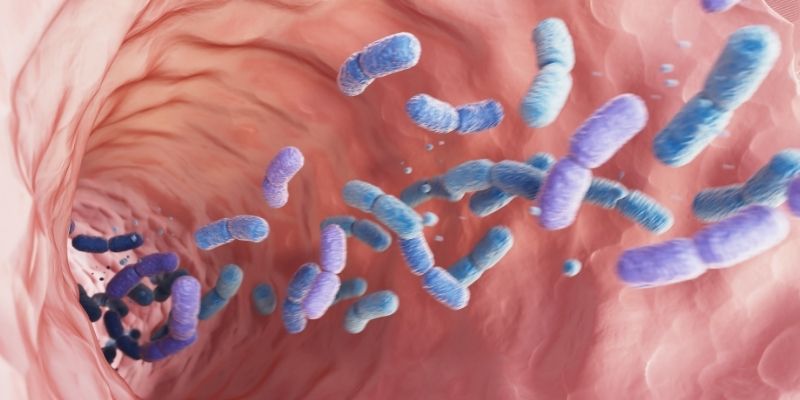
At the same time, the balance of the intestinal microbiota can change.
Dysbiosis can set in, meaning an imbalance between "good" and "less favorable" intestinal bacteria.
This imbalance can influence:
- appetite management, with a tendency to increase food cravings
- preference for certain foods, especially sugary or rich ones
- the ability to naturally regulate intake
The microbiota also acts as a true metabolic conductor, constantly communicating with the brain via the gut-brain axis.
When this balance is disrupted, weight regulation becomes more complex, even with an adapted diet.
Supporting digestion and the microbiota therefore becomes a key lever for restoring more harmonious functioning and better appetite regulation after 40.
Less efficient energy production
With age, it is not uncommon to feel an overall decrease in energy, even without major changes in lifestyle.
This sensation often translates into:
- faster fatigue
- decreased motivation
- difficulty maintaining regular physical activity
The result: we move less, we expend less... and gradually, metabolism slows down.
This phenomenon creates a discreet but real cycle:
less energy → less movement → less expenditure → more storage.
This is not necessarily an isolated problem, but rather a global slowing down of the body's functioning, which needs to be supported rather than compensated by excessive restrictions.
A global adaptation phase of the body
After 40, the body is not "out of whack"; it adapts.
Several changes occur simultaneously:
- slightly reduced energy expenditure
- evolving hormonal signals
- sometimes more difficult stress management
- a less efficient digestive system
Taken separately, these elements are subtle.
But together, they gradually alter the overall balance.
This explains why a diet or lifestyle that worked before becomes less effective.
The body becomes more sensitive, more reactive... but also more demanding.
It's not about "doing more," but about doing things differently, with a more adapted approach.
How to support your metabolism after 40?
The goal is not to restrict or control more, but to give the body the necessary conditions to function well.
After 40, effectiveness no longer depends on the quantity of effort, but on its accuracy.
This involves several essential pillars:
-
preserving muscle mass, in sport by integrating muscle strengthening rather than just cardio
-
stabilizing blood sugar, to avoid energy fluctuations and cravings
-
supporting digestion, to better utilize nutrients
-
rebalancing the microbiota, to improve appetite regulation
- managing stress, which remains a central and often underestimated factor
It is these adjustments, rather than restrictions, that allow for a favorable dynamic to be re-established.
Foods to favor
Certain foods naturally support metabolism and appetite regulation:
- fiber-rich vegetables and fruits, which promote satiety
- quality proteins, essential for preserving muscle mass
- good fats (fatty fish, oilseeds), involved in hormonal balance
- minimally processed foods, richer in micronutrients
The idea is not to eat less, but to better nourish the body.
Foods to limit
Conversely, certain foods can exacerbate imbalances:
- fast sugars, responsible for energy fluctuations
- ultra-processed products, often nutritionally poor
- frequent snacking, which disrupts satiety signals
- excessive alcohol consumption, impacting metabolism and sleep
These elements should not be prohibited, but better regulated.
Targeted support with Nutrivie solutions
In this context, certain solutions can help support metabolism and aid weight management after 40.
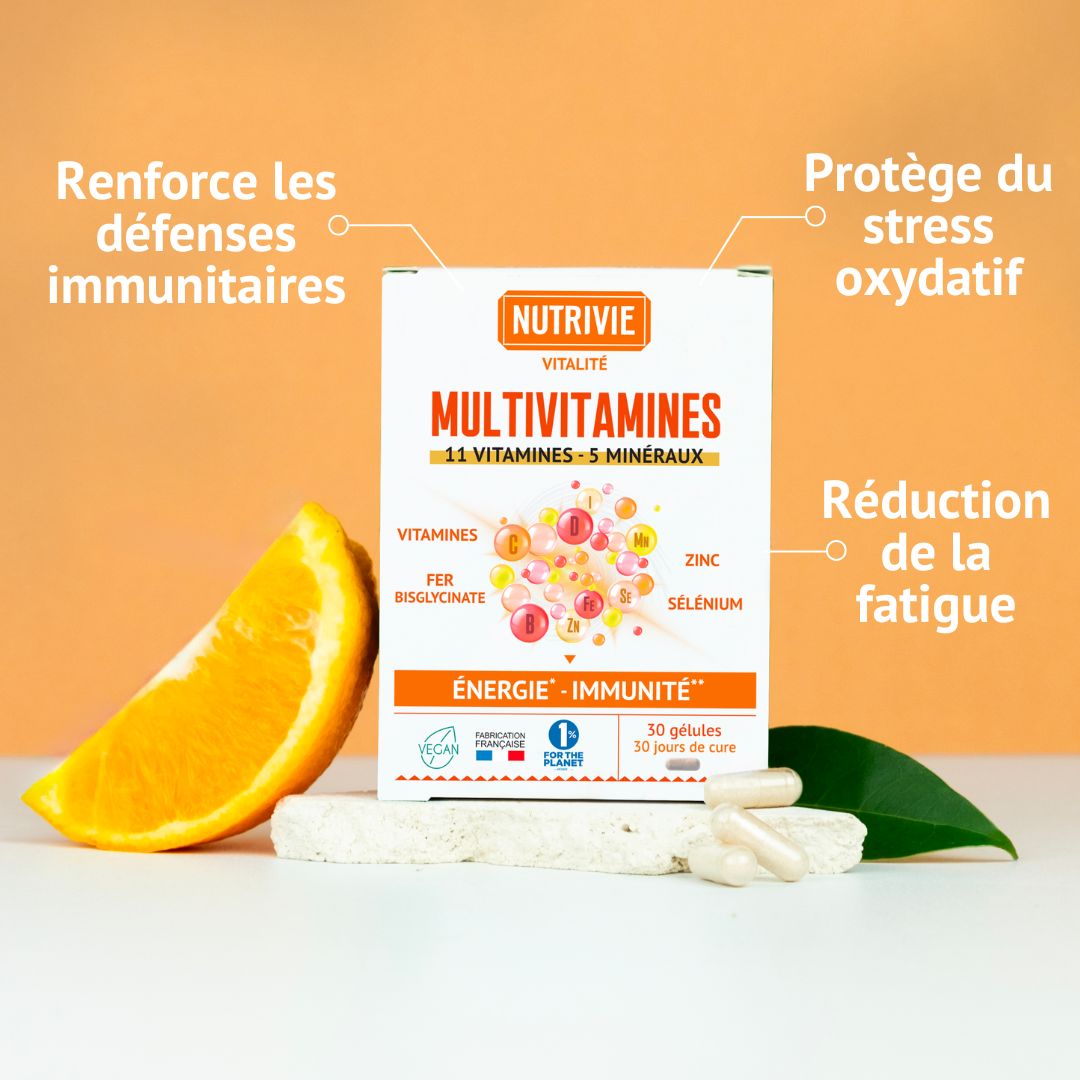
Upstream, work on elimination is essential at the liver level. Start with a 3-week course of Hepato Detox, combined with a multivitamin complex, to support liver functions and accompany natural elimination processes, particularly during periods of dietary rebalancing.
Once this detox is completed, Nutrivie's Metabolism & Slimming range offers formulas designed to be integrated into a global approach, in addition to an adapted lifestyle.
They can contribute to:
- supporting metabolism
- aiding weight management
- helping to regulate appetite
- maintaining a good energy level
Among these solutions, combining several levers can be particularly interesting.
A fat burner can help support energy expenditure and aid fat mobilization.
It can be combined with a multivitamin complex, to provide the essential cofactors for proper metabolic function and to avoid fatigue often associated with weight loss periods.
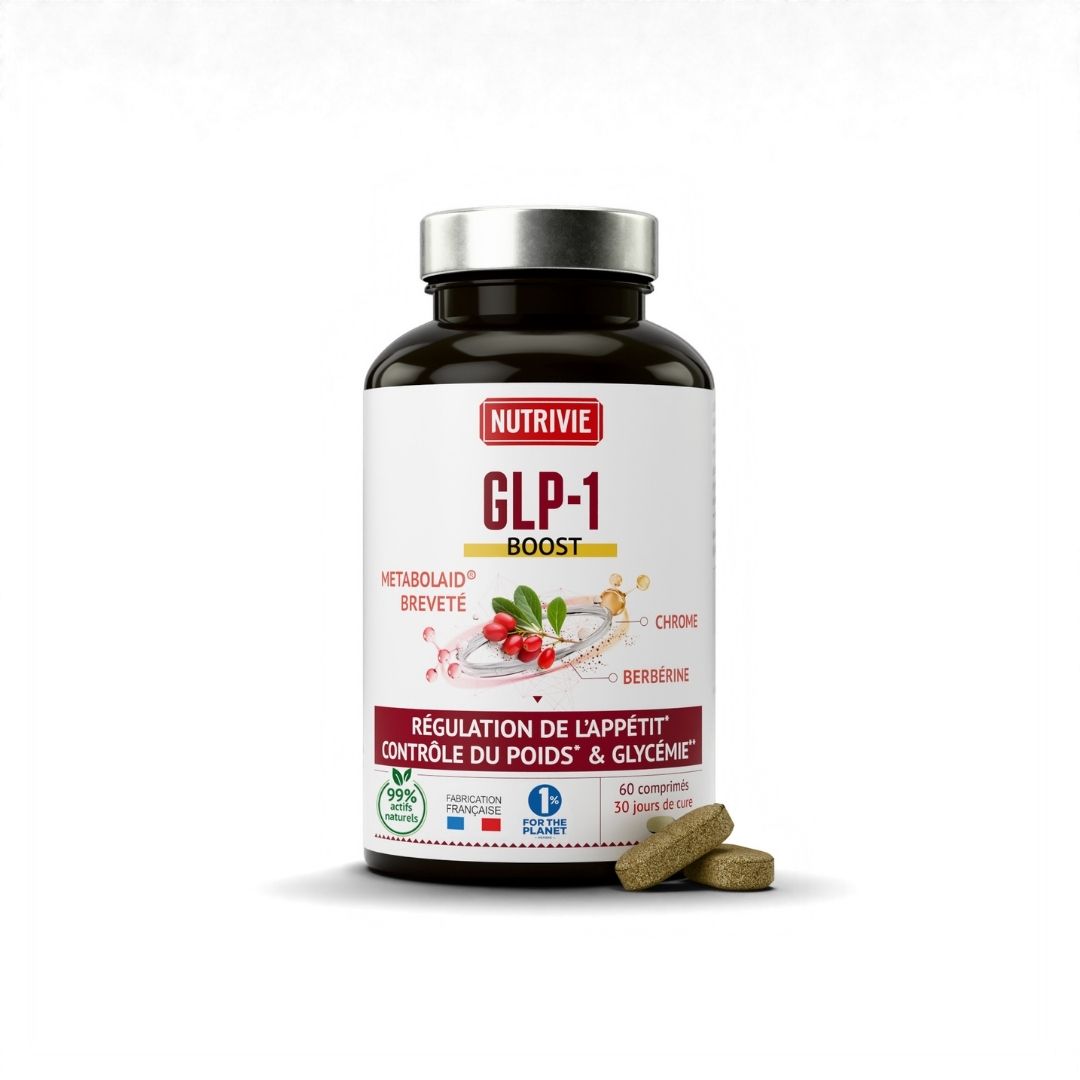
In parallel, acting on appetite regulation is a key lever. Nutrivie's GLP-1 Boost naturally supports satiety mechanisms by stimulating the body to increase the secretion of GLP-1 hormones. This hormone is produced in the intestine and sends a signal to the brain that "I have eaten enough," participates in blood sugar regulation, and limits excessive food intake. By supporting this signal physiologically, it helps reduce cravings, stabilize appetite, and facilitate weight management, especially when these mechanisms are disrupted.
Activated charcoal can also be beneficial for supporting digestive comfort, helping to capture certain undesirable compounds, and contributing to the balance of the intestinal microbiota. Recommended courses are 7 to 15 days depending on needs. To be taken away from medication and food supplements.
In a hormonal context, particularly from the age of 40 and during perimenopause or menopause, stress management becomes even more essential. Hormonal fluctuations can indeed amplify sensitivity to stress, impact mood, and promote certain metabolic imbalances.
In case of stress, several solutions can be considered depending on the needs.
For an immediate and punctual action, the SOS Stress spray is a practical and quick solution, with 3 sprays to use as soon as tension is felt.
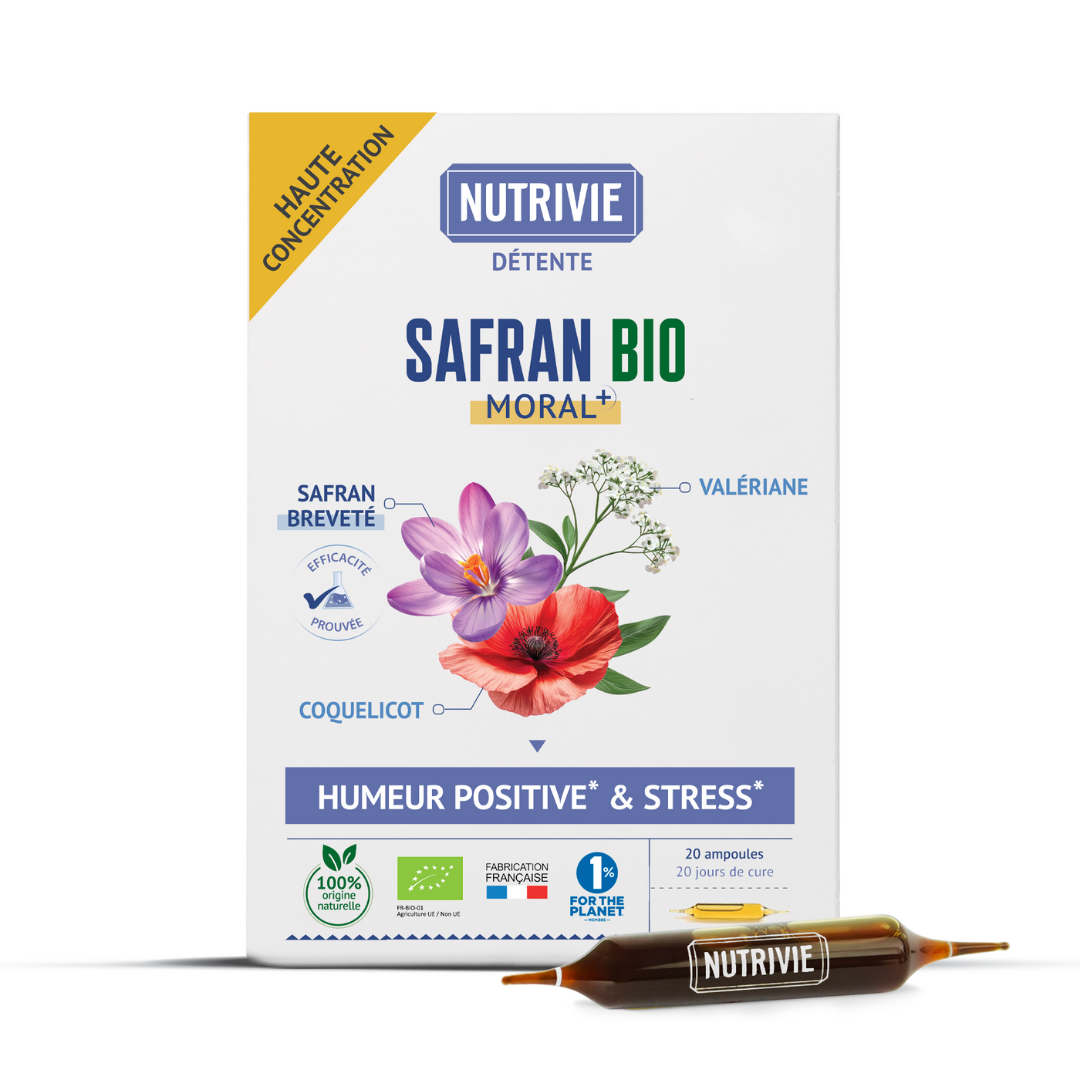
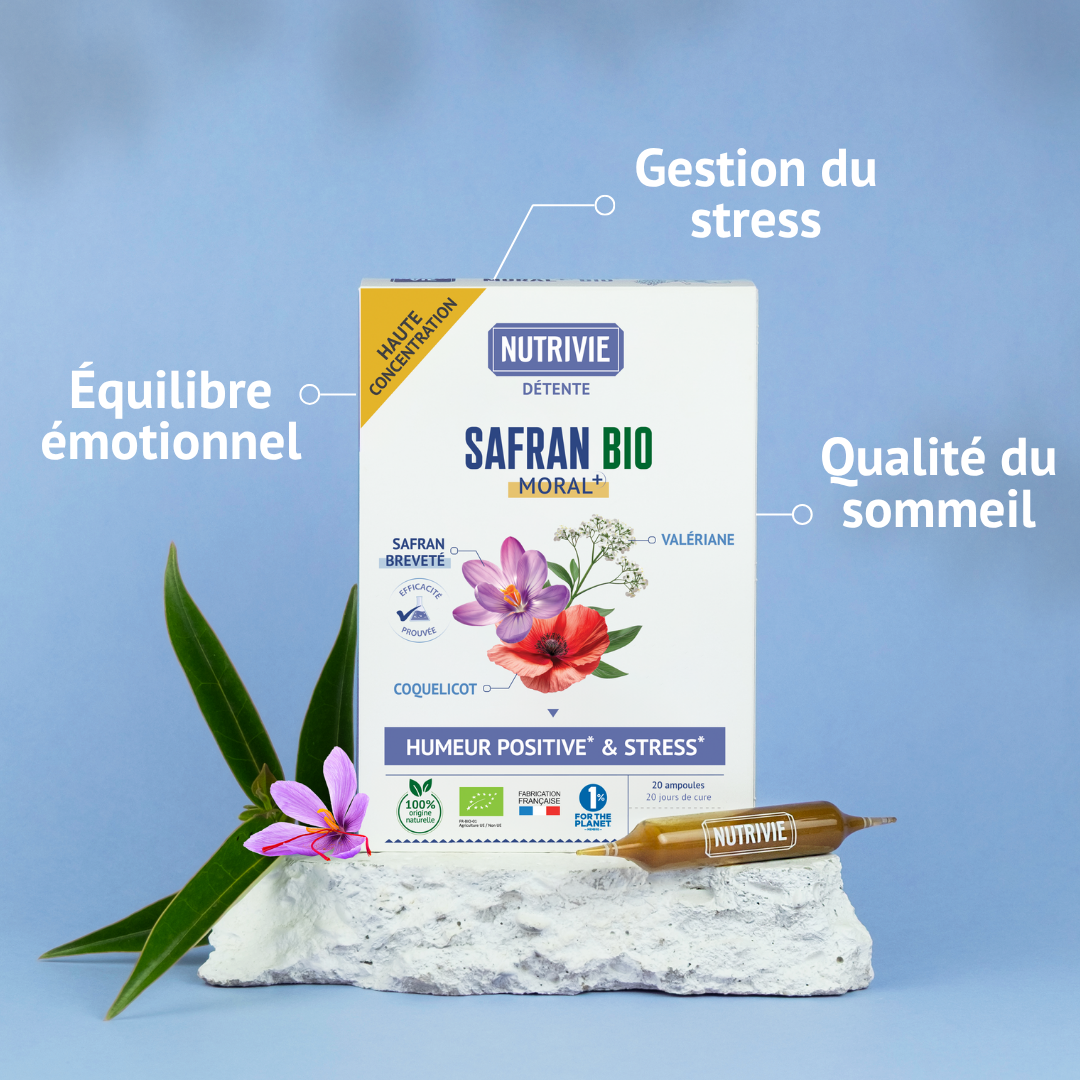
For a more progressive and sustainable support, the Organic Saffron Mood + ampoules can help support emotional balance and promote a better mood in the long term.
In the more specific context of hormonal imbalances, particularly those related to perimenopause or menopause, a targeted approach may be beneficial.
The menopause pack, combining menopause capsules and an SOS spray for hot flashes, helps manage symptoms related to hormonal fluctuations while supporting daily comfort.
The goal is to act comprehensively, taking into account stress, emotional balance, and hormonal changes, to promote better adaptation of the body.
Finally, a holistic approach can also include external action.
A slimming body gel can complement this approach, by supporting work on targeted areas and improving skin comfort.
The benefit of these solutions is to support the body's natural mechanisms, without restricting or rushing it, by acting simultaneously on metabolism, elimination, microbiota, and vitality.
They complement a suitable lifestyle, to support the body during this phase of evolution and promote a sustainable approach to weight management.
Mélodie RENOM
Naturopath and founder of Magnolia Holistic Formations school